







TDITLD
Diego Urbina
Colección del Metalibro
2021
Chile
Alicante
Metalibro
Gracia Fernández
Mónica Salinero
Andros
Soft cover
Bond 130
9789564028743
96
Bond 130
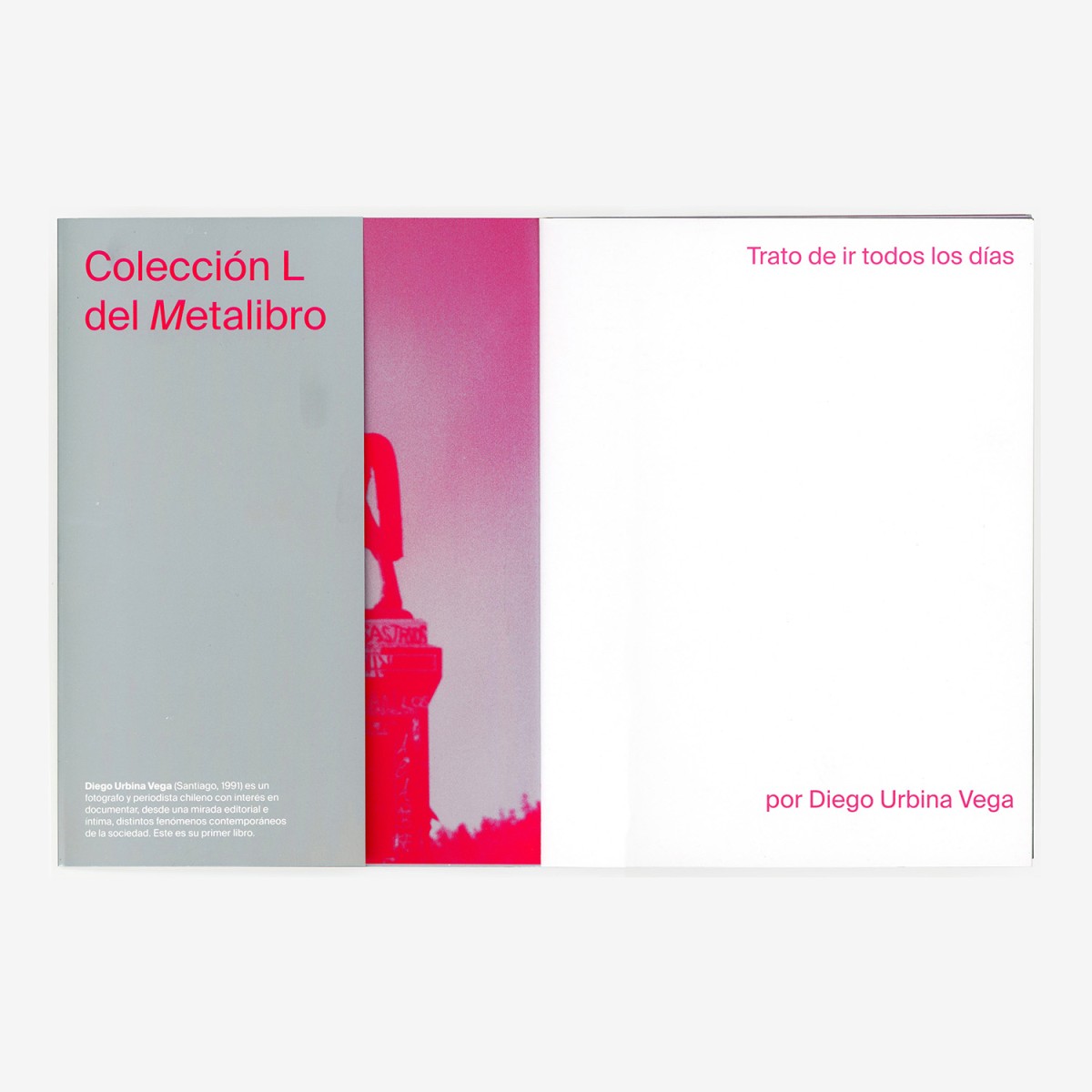
It is no minor task to decide which are the images that will be part of the memories of the popular uprising that with generalized force burst in October 2019 Chile. Political comprehension is a responsibility that every human being carries and that starts operating at the moment of picking, editing, and constructing a visual story as well as choosing some caption or some point of entrance to the reading of the visual story. This is well known by traditional media and those who take part in institutional politics[1]. To start the reading and understanding of the Metalibro Trato de ir todos los días [I try to go every day] (TDITLD), which gathers a selection of Diego Urbina´s production made in the renamed Plaza de la Dignidad (ex Plaza Italia) and its surroundings in the centre of the city of Santiago during 2019, my proposal is to start from the questions that refer us back to the photographic text. If the images enunciate that which has not been intended to be said or can not be said, that which does not allow to be elaborate from the spoken language -even when the images always have their own rest and lack, thus constituting the rest and lack of the words, which will never be able to even describe them in its totality and deepness- what is that which is enunciated in this discourse made photobook? What is the unspeakable that can only be shown through images? Which are that rest and that lack of speaking of the popular uprising? What can the photographs of the daily questions regarding the political process that we are living in Chile tell us or enunciate to us?
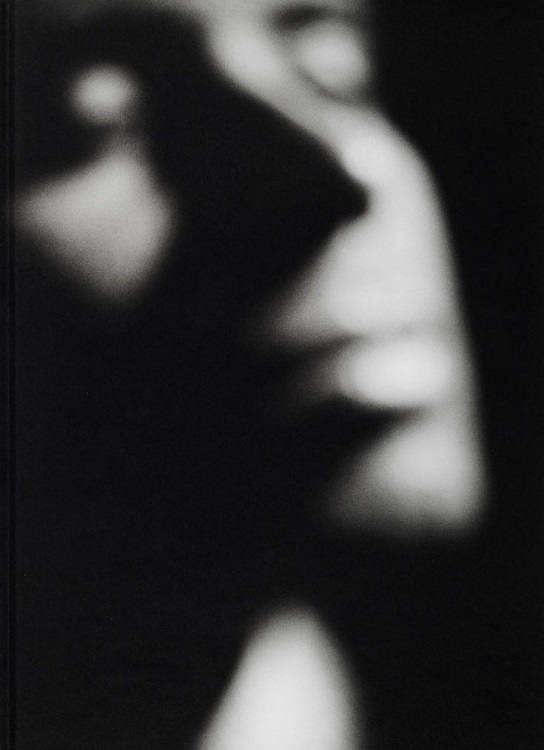
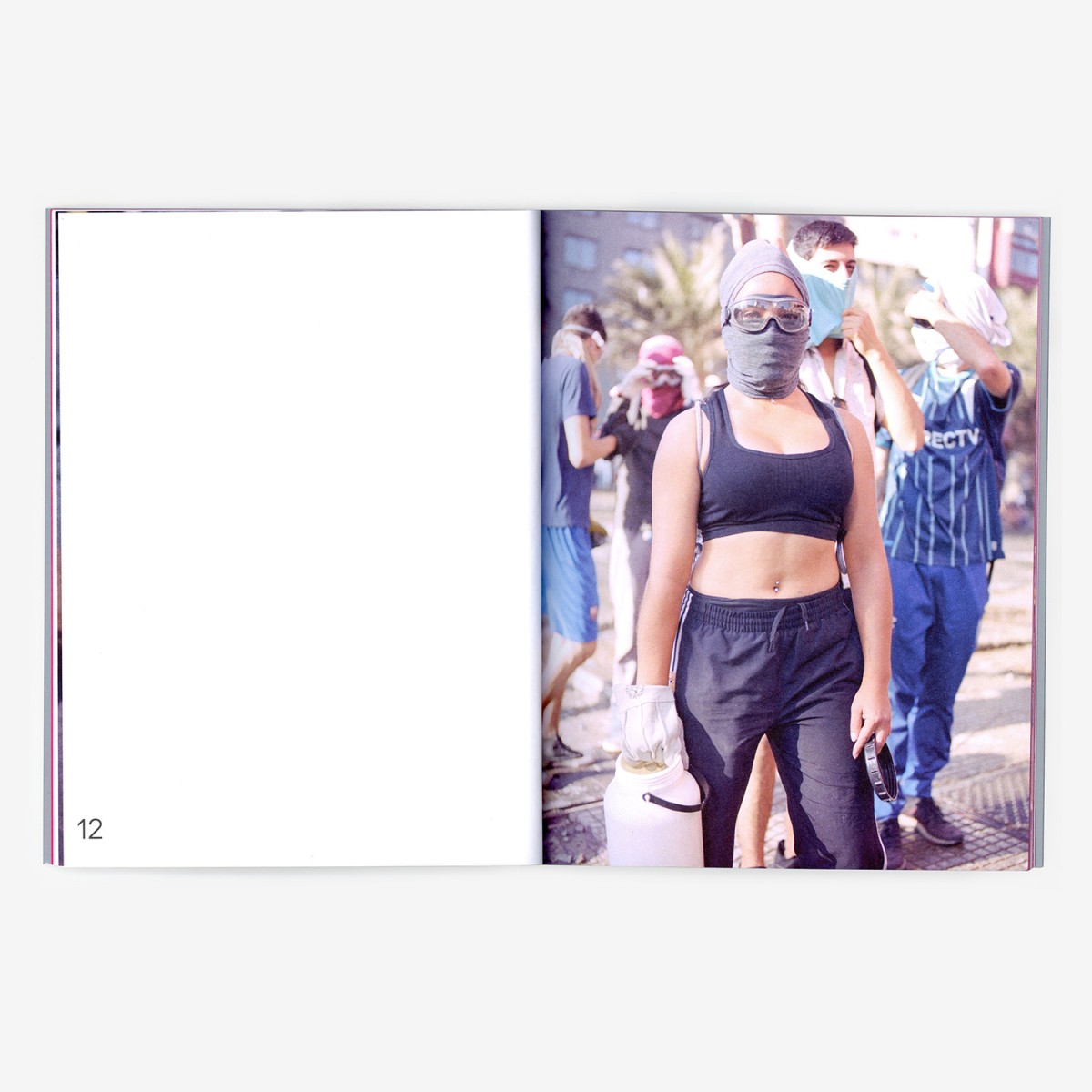
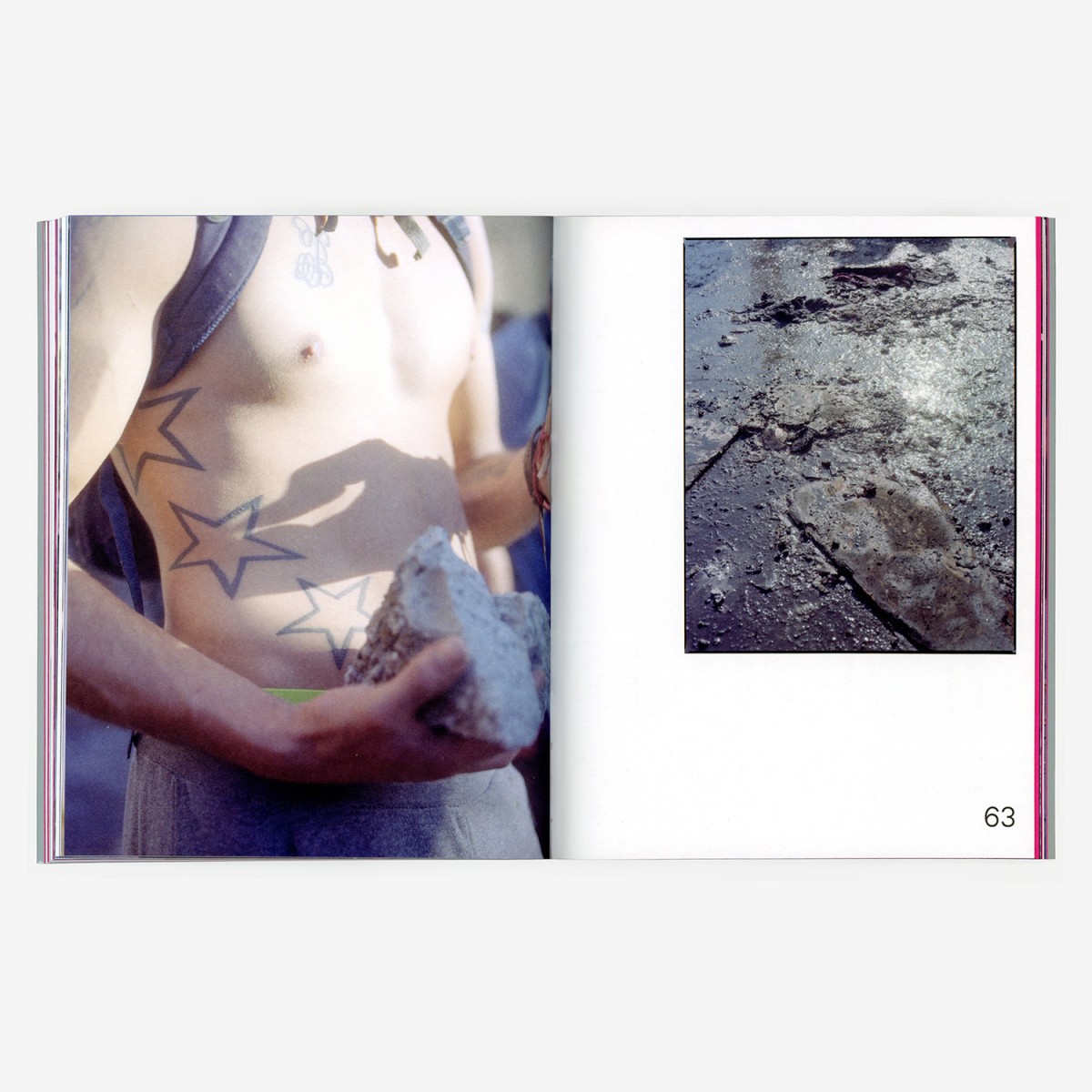
TDITLD starts with the photograph of a protestant that with her gaze defies the scrutinizing eyes of those who are at this side, sufficiently comfortable enough to enjoy this book at hand. One image from the book grabs my attention, the image of mud. Like a clue that gets through to alert us, the mud in the epicentre of the cityis demonstrations evokes for me the story of a foundational myth, it tells us about what is at stake in this uprising. As a metaphor that alludes to the Judaeo-Christian vision of creation, it shows the contingency of the present socio-economic order, its lack of external necessity and its temporality. What is the world but an order that constructs and deconstructs itself daily, and that defines itself on its own contingency? At the same time, it enunciates to us the internal recognition of desiring the creation of another order, of another relationship pact of the bodies that carry humanity on the here and now, that is the desire of that defying gaze on the cover. And it is there, for me, where one of the clues of that unspeakable rest, of what has been negated to us when the forms of market and the value of exchange as permanent measure to evaluate what unifies us and separates us from the rest, meaning some bodies from others, resides.
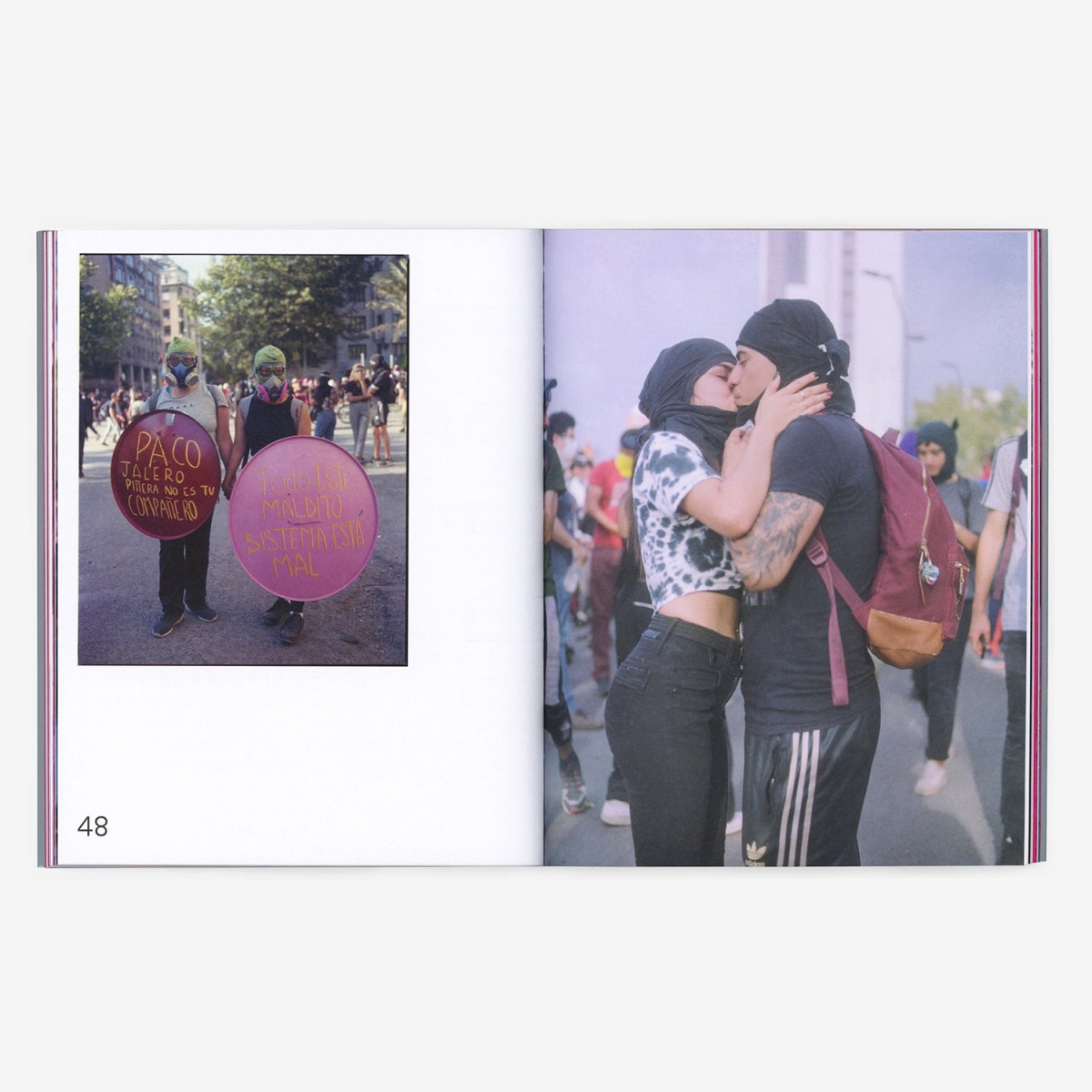
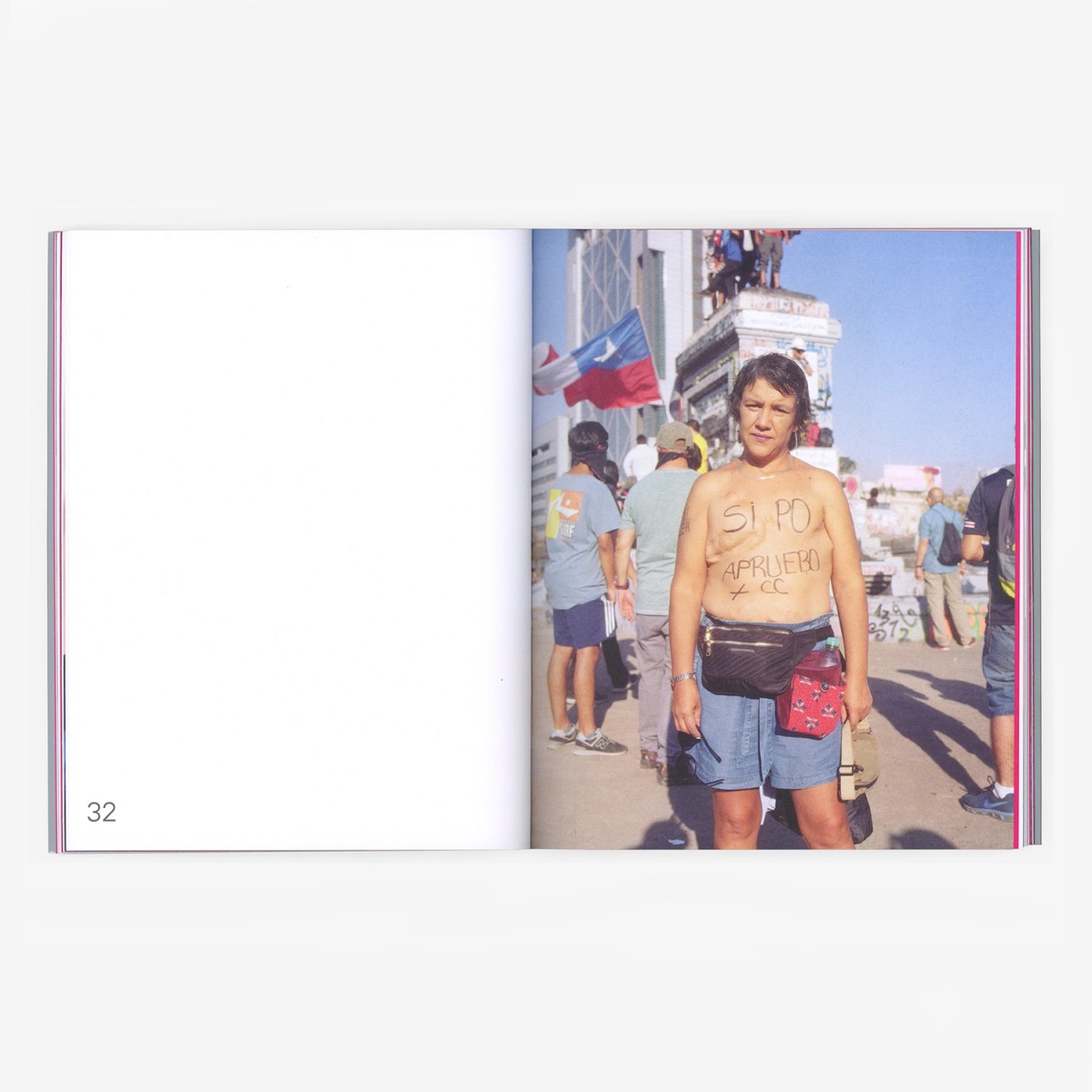
Photographs have a thread, a bridge, a momentary ligament between the person that observes and what is presented in the image. It happens to us particularly with portraits, like mirrors of our own human corporeality. In these images, when that connection is fixed, I see how we are not an inconsequential repetition, instead, we are experiential beings that have our own sense, our own mutilated bodies with history, with ages, with marks and prints of external damage or of our own decision of the identity of a tattoo, which can not be reduced to big laws of history and can not be interchangeable. If there is a fight it is that: one of bodies that move unruly to resist, elude the order and to create a new one. Because those portraits show us the ones expelled from the perfect world of supply and demand, as the human ages, the tenderness, the care and the death, topics that have disappeared from social life. We observe the burning red of that individual desire and the collective against the State built over the pact of power and coercion to exploit us between human beings: such destructive hierarchies!
From this perspective, TDITDL is a photo book that reincorporates those who annoy. Those who, as it is said, generate delinquency or block traffic and public transport, when in reality that annoyance that they create is because of the audacity to protest, to disagree and to use public spaces for the cause because those spaces seem to be at disposition as a space for citizens and representatives (meaning those who do not seem to have reason to disagree), citizenship that is not fit for those who do not like the order or that do not triumph in the system. The annoyance originates in not asking for permission to demand what we know belongs to us, but that some gave themselves the right of granting or not granting, as if the right to protest required permission. Urbina portrays people that protest daily, and he does it by looking at them from below and from the front. Yes! Those who have always been seen from above or in the turmoil of the shapeless mass, always from perspectives that shrink and undervalue. Here the angle of the shot exposes the big secret of the contrived hierarchies and, along with that, makes an appearance one of the biggest contributions of feminism to the occidental world, that is expressed in every image of social uprising: the private is public… wounds, healthcare, love, life conditions, family relationships, violence, the space, the act of walking, the act of thinking, the act of hoping are all problems of the public and the political. The bodies of human beings stripped or excluded that rise as desireful and active beings, because if that was not their reality, how could they be exploited by other desireful and active but ungraspable beings? -those that we do not see, that are not photographed, that are not available and are not needed to be seen; for those who are reading, the invitation is to gather your own conclusions as to what is the meaning of not being part of the images of protests in Chile and the uprising, or just having the images provided by media in our memories.
To those who observe them, the images are sufficiently significant by their forms, angles, editing and contained signs, they will become part of their memory reservoir and will be at disposition not only as social documents but above all as interpretations that can be returned to the thought flux when needed. Part of that significance has its origin in the element of the unspeakable that is capable of enunciation. To build and make the images circulate in the popular uprising is like understanding the historical and political sense of what they enclose and their non-verbalizable dimension.
[1] As a way of declaration, I have to say that forced apologies and coercion are nonsensical to me. Firstly because that kind of reading does not connect with me, and secondly because it does not represent me in a political sense, because coercion and the use of force is a consequence or a tool, but not the centre of the political issue. The apology of human violence dehumanizes those who use force as a form of defence or resistance and justifies the disproportions of those who use it as legitimate tools of statal order. The political can not be reduced to force and violence, that is the poor western scheme that we have to escape from.